
- NEARLY 30% LEAP IN RESOLUTION — Experience every thrill in breathtaking detail with sharp graphics and stunning 4K Infin…
- NO WIRES, MORE FUN — Break free from cords. Play, explore and exercise in immersive worlds — untethered and without limi…
- 2X GRAPHICAL PROCESSING POWER — Enjoy lightning-fast load times and next-gen graphics for smooth gaming powered by the S…
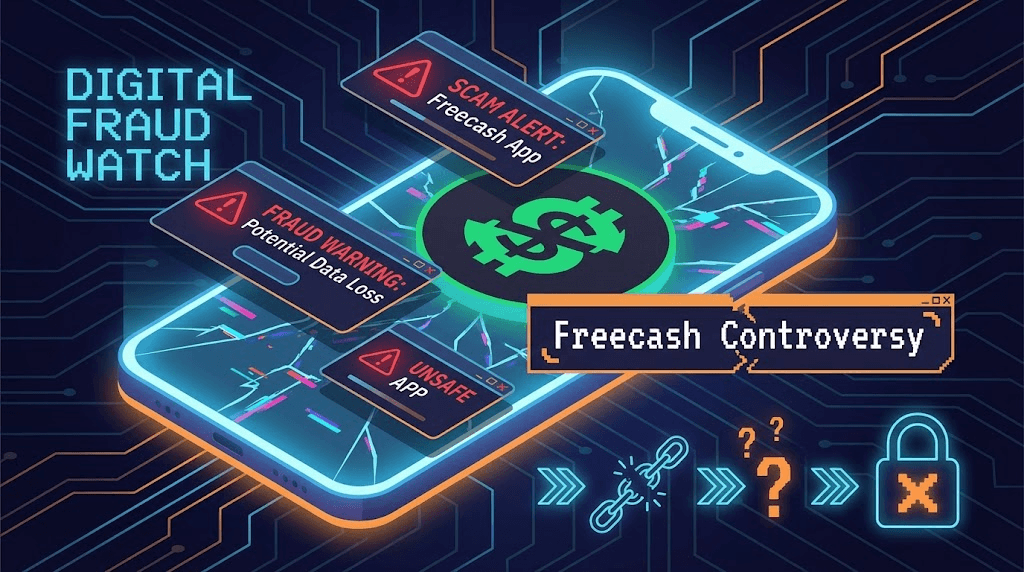
The Freecash app scam has drawn sharp criticism for deceiving users with false promises of easy rewards and payout delays, exposing a troubling side of the rapidly growing rewards app sector. As consumer interest in completing surveys and tasks for monetary rewards surges, Freecash has been exposed for manipulative tactics that have frustrated thousands of users with non-payments and unjustified withdrawal bans.
Freecash App Scam: What You Need to Know
Freecash positioned itself as a lucrative platform for earning money by completing online surveys and offers. However, investigations reveal that many users have encountered significant issues, including sudden account blocks and withheld withdrawals allegedly triggered by VPN usage. This tactic results in unfair restrictions that prevent users from accessing their earnings, a common grievance linked to the broader category of rewards app scams. Such deceptive practices raise serious questions about the app’s legitimacy and the ethics behind its operations.
The scam mechanisms in Freecash involve exploiting loopholes in platform rules and user trust. Freecash reportedly monitors user activity closely, targeting VPN usage as a violation even when users are simply seeking privacy or accessing location-specific surveys. This has led to user accounts being suspended or banned without clear explanation and payouts either delayed indefinitely or outright denied. According to consumer watchdogs, apps like Freecash manipulate terms ambiguously to maintain control over funds while presenting an illusion of easy profits, a pattern noted in cases of GPT (Get Paid To) app fraud.The Federal Trade Commission’s guidance on mobile payment app scams underscores the importance of transparency, which Freecash falls short of demonstrating.
User testimonials illustrate the emotional toll of these fraudulent activities. “I trusted Freecash to payout after spending hours on surveys, only to have my account banned and earnings frozen,” stated one victim in an online forum. Many describe a similar experience of frustration and financial loss, indicating the scam’s wide-reaching impact beyond mere inconvenience. This deeper insight into user experience emphasizes the necessity for increased awareness and caution when engaging with rewards apps.Related investigative coverage on consumer data breaches provides further context on the risks consumers face in digital transactions today.
Adding complexity to the issue is Freecash’s manipulation of app store rankings, a tactic that obscures its fraudulent nature. By encouraging artificially inflated ratings and downloads, the app gains visibility and trust unsuspectedly. This tactic not only misleads users but also crowd out legitimate competitors who follow ethical marketing practices. Industry experts warn that this ranking manipulation exacerbates the spread of GPT app frauds, creating a challenging environment for consumer protection policies to keep pace.
Legal and regulatory responses to the Freecash app scam are currently limited but gaining attention. Similar precedents, such as the FTC’s enforcement actions against mobile advertising companies that mislead users about game rewards, illustrate potential consequences for offenders.An FTC press release highlights these regulatory efforts. Advocates argue that stronger oversight and regulatory frameworks are needed to address the technical and deceptive strategies employed by such apps.
From an industry perspective, Freecash’s operations shed light on vulnerabilities in the app ecosystem, particularly concerning fraud prevention measures implemented by platforms like Android. Enhanced fraud detection and developer accountability mechanisms exist but require continuous improvement to tackle evolving scam methodologies.Android’s fraud prevention guidelines outline best practices that apps should follow, but lapses persist. This gap underscores the importance of user vigilance and the need for cross-industry collaboration to curb rewards app scams.
In conclusion, the Freecash app scam exemplifies the multifaceted challenges faced by users in the rewards app marketplace. From manipulative withdrawal rules tied to VPN use, misleading app store strategies, to limited regulatory actions, the scam exposes critical vulnerabilities that consumers must navigate carefully. The ongoing discourse highlights the imperative for improved transparency, stronger regulatory frameworks, and more robust platform defenses.
Consumers are encouraged to remain vigilant, scrutinize app reputations carefully, and report suspicious activities to relevant authorities. Sharing user experiences can also help build a more informed community resistant to such fraudulent operations.

- AN AMAZING MAC AT A SURPRISING PRICE — With an incredibly portable and durable aluminum design, up to 16 hours of batter…
- FOUR STUNNING COLORS. ONE DURABLE DESIGN — Choose from four beautiful colors — Silver, Blush, Citrus, or Indigo — each w…
- FLY THROUGH EVERYDAY ASSIGNMENTS — Whether you’re cramming for finals, using Apple Intelligence* to summarize class note…