
- NEARLY 30% LEAP IN RESOLUTION — Experience every thrill in breathtaking detail with sharp graphics and stunning 4K Infin…
- NO WIRES, MORE FUN — Break free from cords. Play, explore and exercise in immersive worlds — untethered and without limi…
- 2X GRAPHICAL PROCESSING POWER — Enjoy lightning-fast load times and next-gen graphics for smooth gaming powered by the S…
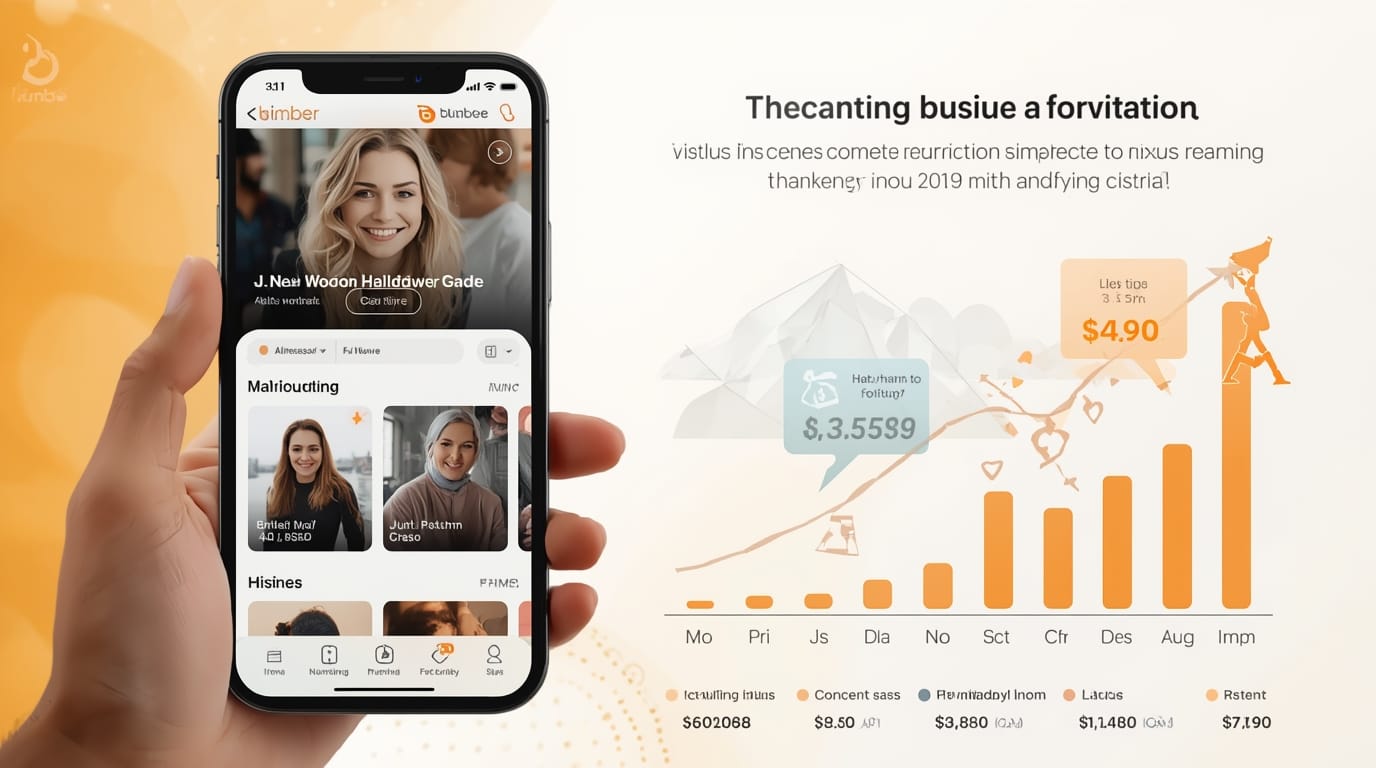
Bumble paying users decline remains a pressing issue despite recent signals of stabilization, challenging the dating app’s growth narrative and investor confidence. The dip in subscriber numbers highlights deeper tensions between short-term revenue pressures and the company’s long-term strategy, rooted in technological innovation and market repositioning.
Table of Contents
Bumble paying users decline impacts revenue and growth strategy
In the latest earnings report, Bumble disclosed a significant drop in paying users, a crucial metric tied directly to its subscription revenue. This decline has fueled concerns about the sustainability of its monetization model amidst increased competition in the dating app landscape. Analysts and investors closely scrutinized the company’s explanations in the earnings call, seeking clarity on how Bumble plans to reverse this trend. According to the call details, Bumble is not only facing a paying users decline but also undertaking a comprehensive product overhaul designed to both retain existing users and attract new subscribers through enhanced engagement.
Bumble paying users decline and AI-driven dating app overhaul
CEO Whitney Wolfe Herd addressed the investor community by emphasizing the strategic reset scheduled through 2026, which aligns with Bumble’s renewed focus on AI-driven matchmaking. The introduction of the “Bee” AI matchmaker aims to redefine user experience by improving match quality through advanced algorithms, thereby increasing user satisfaction and ultimately, subscriber conversion rates. This pivot toward an ai driven dating app overhaul indicates a shift from purely growth-at-all-costs tactics to a more sustainable model emphasizing experience and quality.
Beyond product innovation, Bumble is expanding its social and friendship app offerings, diversifying beyond traditional dating. This is a strategic move to capture broader user segments and reduce reliance on pure dating subscription revenue, which has shown vulnerability. The company views this expansion as a buffer against market saturation and competition, offering resilience through multiple engagement channels.
Can Bumble paying users decline recover amid rising competition?
Comparatively, competitors such as Tinder and Hinge have reported steadier subscription trends, often buttressed by aggressive marketing and established brand loyalty. Bumble’s paying users decline thus places it at a potential disadvantage, necessitating the technological and strategic recalibrations it is currently undertaking. User sentiment data, while mixed, indicates some frustration with subscription models and value propositions, underscoring the importance of Bumble’s AI-driven transformations and product refresh. TechCrunch’s coverage of related industry shifts provides additional context on how such dating apps evolve in user engagement and monetization tactics.
Financially, the decline in paying users has directly impacted revenue results, with Bumble’s top line growth slowing. However, there are signs of cautious optimism as operational efficiencies and innovative features seek to offset the revenue impact. Market observers note that if Bumble’s AI initiatives successfully elevate match relevance and user retention, the company could stabilize its subscriber base and attract new demographics seeking more personalized dating experiences. Some investors interpret this period as a necessary “detox” from overheated subscriber growth metrics, favoring a quality-over-quantity approach to durable product development.
Further evidence of market confidence appeared with the stock’s recent performance, surging over 20% post-earnings amid the announcement of its AI revamp and strategic outline. This reaction underscores how deeply intertwined Bumble’s paying users decline is with broader narratives of tech innovation in dating platforms. Investors rewarded this blend of transparency and forward-looking strategy, although challenges remain in reconciling near-term subscriber contractions.
The dating app market itself is increasingly competitive and fast-paced, where user expectations evolve alongside technological capabilities. Bumble’s commitment to leveraging AI and expanding social app functions signals an understanding that user experience improvements may be pivotal to reversing paying user declines. However, the company’s ability to execute on its bold strategic reset while maintaining core community trust and satisfaction will be critical to sustained growth.
Future outlook as Bumble paying users decline shows signs of stabilization
In summation, while Bumble continues to navigate its paying users decline with a mix of innovation and strategic diversification, the longer-term implications will depend on how effectively its AI-driven matchmaking and platform overhaul resonate with users. This period marks a transition from reactive subscriber loss management to proactive product evolution, potentially positioning Bumble as a leader in more intelligent, user-centric dating experiences in the years ahead.

- AN AMAZING MAC AT A SURPRISING PRICE — With an incredibly portable and durable aluminum design, up to 16 hours of batter…
- FOUR STUNNING COLORS. ONE DURABLE DESIGN — Choose from four beautiful colors — Silver, Blush, Citrus, or Indigo — each w…
- FLY THROUGH EVERYDAY ASSIGNMENTS — Whether you’re cramming for finals, using Apple Intelligence* to summarize class note…