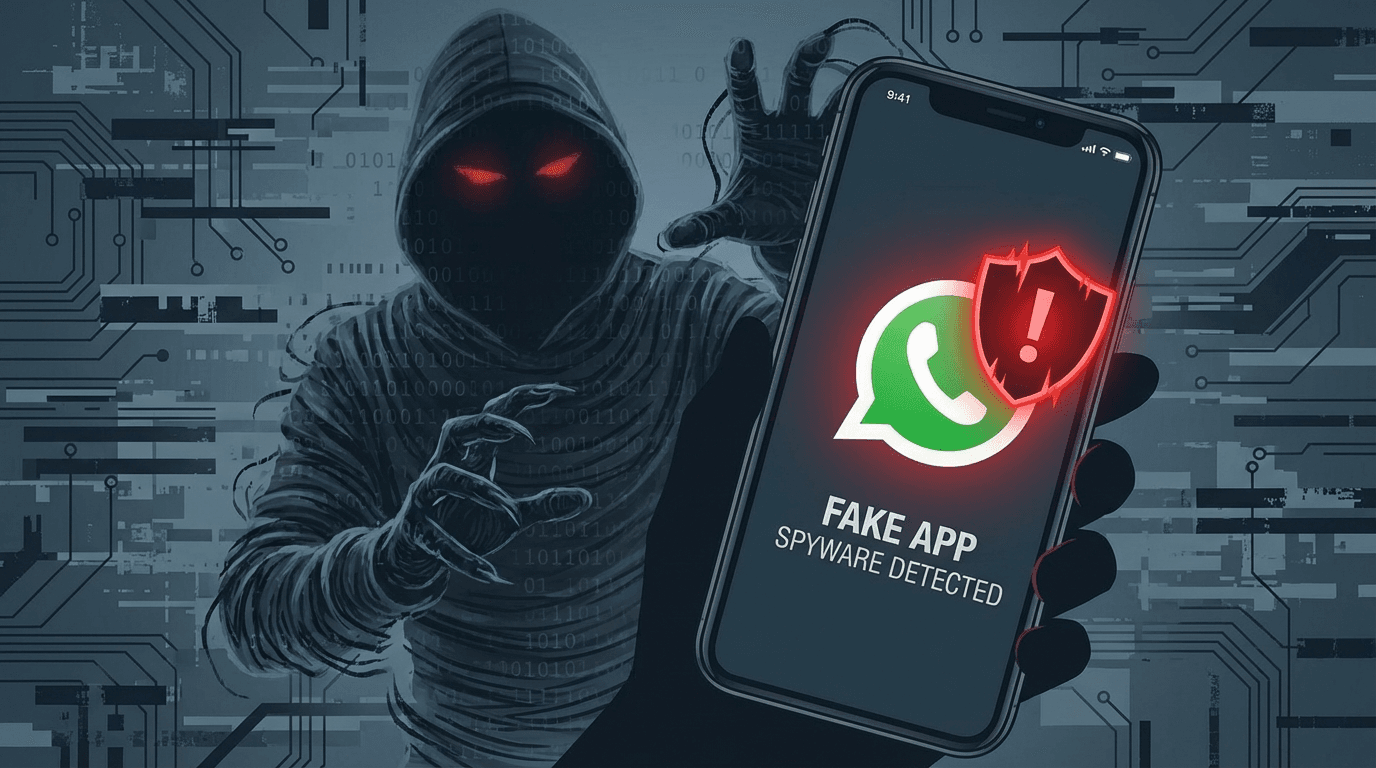
WhatsApp fake app spyware has emerged as a significant security threat, prompting urgent alerts to approximately 200 users in Italy. This spyware, linked to the Italian surveillance firm SIO, was disguised as a legitimate WhatsApp application, underscoring the evolving challenges in mobile security.
The incident highlights the sophisticated tactics used by spyware campaigns targeting mobile messaging platforms. According to reports, the fake WhatsApp iOS app with spyware was covertly distributed, deceiving users into downloading malicious software that compromised their data. This form of spyware is particularly insidious because it exploits the trust users place in widely used communication tools. Users can learn more on the broader adoption of AI-driven threats and security responses through resources such as Mobile Security Tips and AI adoption statistics.
SIO spyware represents a troubling chapter in government-backed surveillance efforts. The spyware’s capabilities include monitoring messages, capturing multimedia files, and tracking location data, reflecting a high degree of technical sophistication. Historically, firms like SIO have been implicated in producing spyware used by governments to monitor citizens, raising significant privacy and ethical concerns. Experts note that such spyware campaigns are part of a growing global trend, with governments increasingly employing these tools under the guise of national security, as discussed in analyses available at the Carnegie Endowment on government spyware use.
The user impact of this fake app spyware has been profound. Affected individuals risk not only data theft but also invasive surveillance that can lead to broader privacy violations. WhatsApp, upon identifying the issue, moved swiftly to notify those potentially compromised. The company’s alerts specifically warned 200 users, urging immediate action to uninstall the counterfeit app and update to the official WhatsApp version. These notifications serve as a critical reminder of the need for constant vigilance in app verification.
WhatsApp’s legal actions against the distributors of the fake app and the spyware firm itself mark an important step in combating such cyber threats. By initiating litigation and collaborating with cybersecurity experts, WhatsApp aims to deter future attacks and hold perpetrators accountable. The company also emphasized user education, urging individuals to download apps exclusively from trusted sources such as official app stores and to review app permissions carefully.
To protect your privacy and guard against similar threats, users should follow several practical steps: always verify app authenticity by checking developer details and user reviews, keep software updated, enable two-factor authentication, and use reputable security tools. Awareness of how to identify fake apps is crucial; suspicious signs include requests for unnecessary permissions, poor app design, and irregular update patterns.
For comprehensive guidance on removing spyware and strengthening device security, trusted resources like Malwarebytes’ spyware removal guides provide actionable advice. Ensuring your device is protected against spyware such as the one distributed by SIO requires both technical measures and informed user behavior.
The WhatsApp incident also prompts broader reflection on digital privacy and the limits of government surveillance in democratic societies. While spyware can be justified under certain legal frameworks, abuse of such tools calls for stringent oversight and legal accountability. Understanding this context is essential for users increasingly concerned about their digital footprint.
This event serves as a stark reminder that the landscape of online threats is rapidly evolving. Users must stay informed about the latest spyware developments and proactively protect their communications. Updating apps, following verified security protocols, and consulting expert resources are vital strategies for maintaining privacy in an era marked by sophisticated cyber intrusions.
In conclusion, the exposure of WhatsApp fake app spyware tied to SIO’s government spyware campaign illustrates the pressing need for heightened security awareness and robust legal measures. Continuous vigilance, user education, and collaboration between tech companies and legal authorities will play pivotal roles in countering these threats and safeguarding digital privacy.