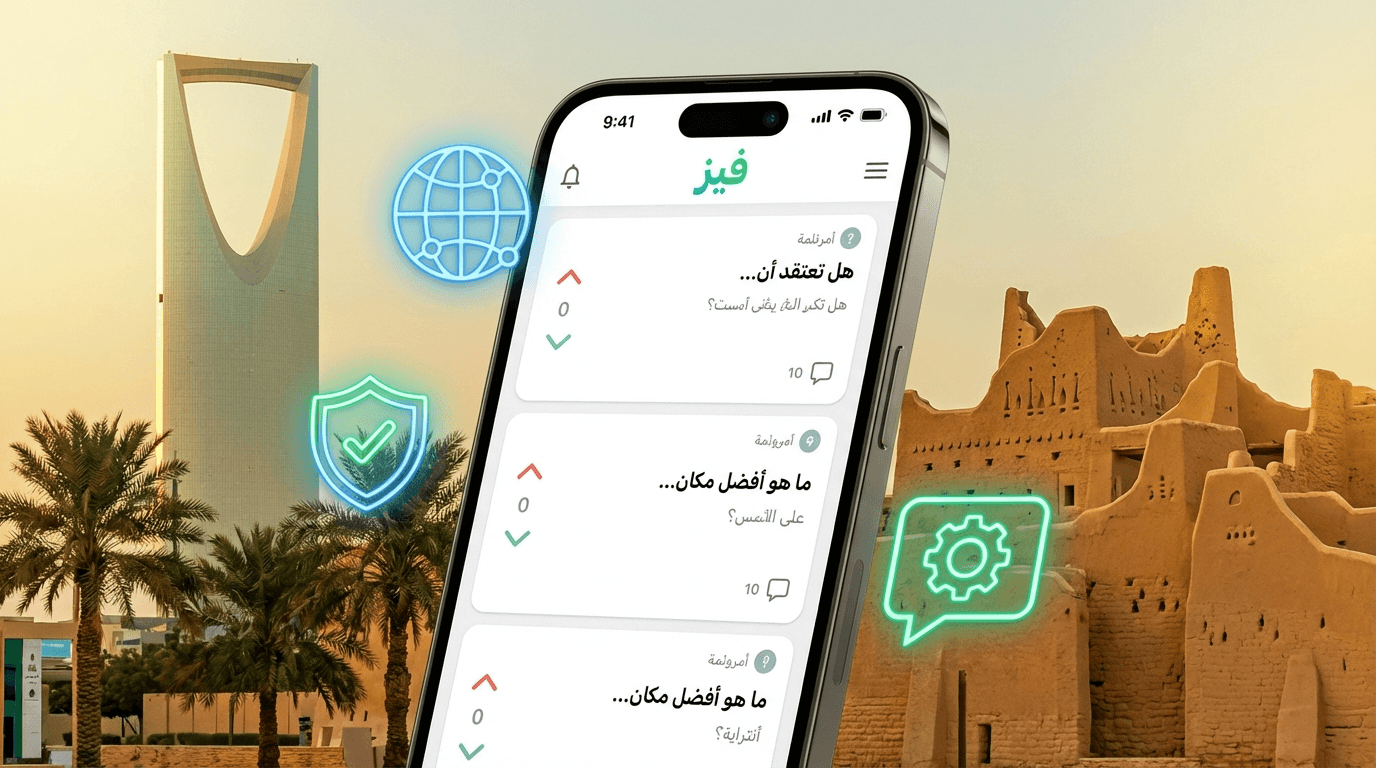
Fizz anonymous social app is making a bold move by expanding into Saudi Arabia, a market known for its complex social media environment and strict regulations. The app’s unique appeal lies in its promise of genuine anonymity, fostering candid social interactions that stand in stark contrast to the typically public and monitored social media landscape in the region.
Saudi Arabia’s social media users have shown considerable interest in anonymous platforms, seeking safe spaces to express opinions without fear of reprisal. This is set against a backdrop where the government enforces stringent social media rules aimed at curbing bullying, misinformation, and other harmful content. According to Gulf News, these regulations serve as stringent guardrails that platforms must navigate carefully to operate legally within the kingdom.Saudi Arabia enforces strict social media rules to curb bullying and misinformation.
Fizz’s expansion strategy is noteworthy in its cultural sensitivity, emphasizing respect for local norms while preserving the core appeal of anonymous social interactions. This balance is crucial given Saudi Arabia’s unique social media culture, where public discourse is often constrained. Experts note that anonymous social apps must adapt to local expectations without diluting their fundamental value proposition.
The app has seen promising user engagement metrics since entering the Saudi market, with substantial daily active users sharing content ranging from lighthearted confessions to serious social commentary. Unlike typical social apps, Fizz’s interface avoids overt identity markers, which appeals to users concerned about privacy and social scrutiny. This engagement reflects a broader trend in Saudi Arabia where users increasingly seek digital spaces that accommodate nuanced expressions of identity.social media trends and AI adoption in Saudi Arabia provide valuable context to this shift.
However, growing in a restrictive environment comes with significant hurdles, especially concerning content moderation. Maintaining community standards while respecting anonymity is a delicate challenge. Fizz employs a mix of AI-driven moderation and human oversight to identify harmful content without breaching user privacy. This approach helps the app comply with Saudi regulations, such as the executive guidelines on digital content and online behavior outlined by the government.Saudi Arabia executive regulations on digital content.
The broader context of internet freedom in Saudi Arabia also frames the reality Fizz must navigate. Reports from Freedom House highlight ongoing limitations on online speech and the necessity for platforms to implement robust compliance mechanisms to avoid censorship or legal penalties.Freedom House report on Saudi Arabia’s online freedom.
Comparatively, other regional anonymous social apps face similar issues but differ in their moderation strategies and cultural integration. Fizz’s emphasis on culturally aware content moderation and user engagement practices could set a precedent for the viability of anonymous social apps in restrictive markets. Analysts see this as part of a larger trend where technology companies tailor their products to fit localized social and regulatory frameworks without compromising on user experience.
This nuanced approach to entering Saudi Arabia reflects a broader industry challenge: balancing anonymity with social responsibility. The success of Fizz could influence future developments in anonymous social media apps and encourage innovation in content moderation technologies that better align with diverse cultural and legal contexts.
As anonymity becomes a more sought-after feature in social media, Fizz’s experience offers insight into the careful calibrations required to serve markets with strong cultural identities and strict governance. The unfolding story of this anonymous social app’s expansion not only exemplifies the power of technology to transcend borders but also highlights the intricate interplay between digital freedom and regulatory control in the modern world.