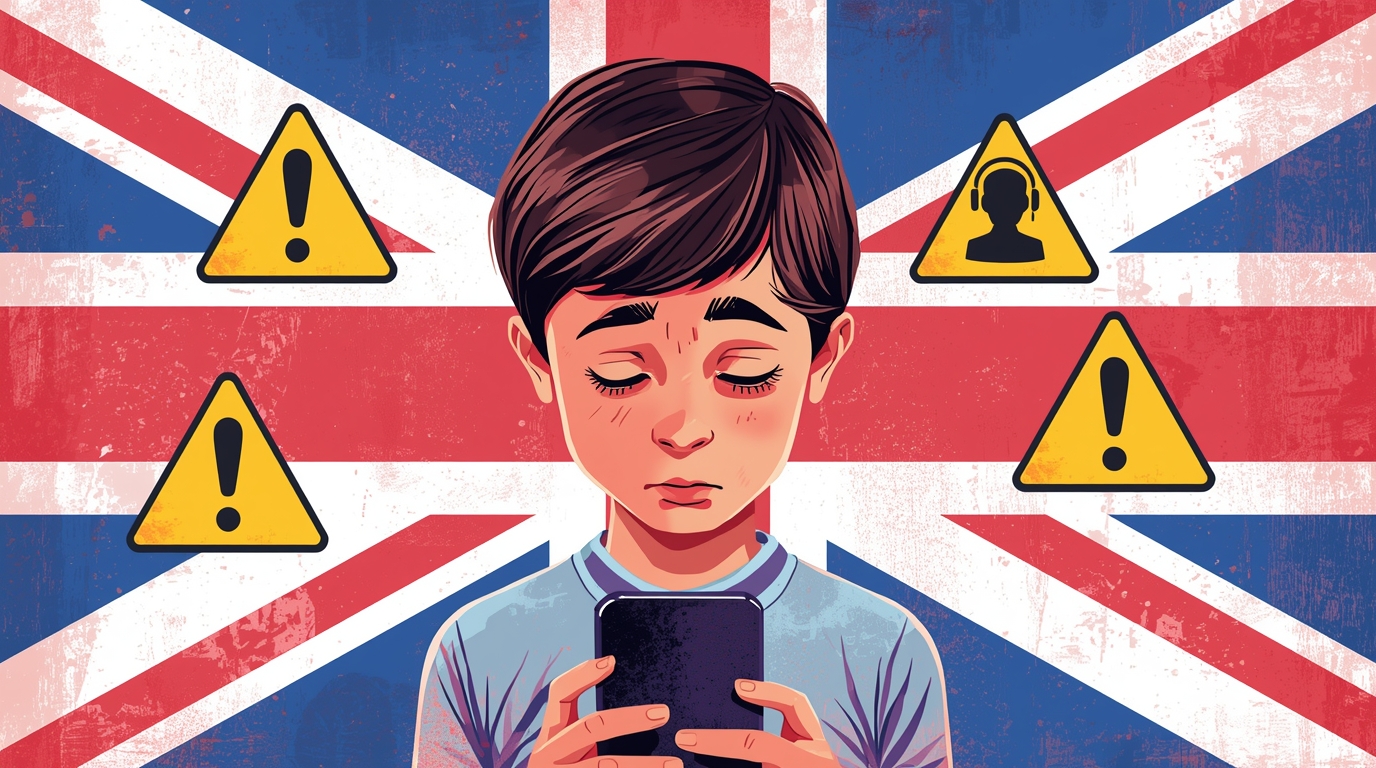

The United Kingdom’s proposed social media ban for children under 16 is reigniting the contentious debate over online safety and children’s rights. The government’s push to restrict social media access for under-16s aims to curb the mental health risks linked to early exposure, but it also raises complex questions about privacy, enforcement, and children’s social development.
Table of Contents
Why the Social Media Ban Is Being Proposed in the UK
This move follows growing concerns highlighted in a national consultation on children’s online experiences, where the UK government outlined the necessity to create safer digital environments for youngsters. The consultation, detailed by the government, emphasizes protecting children from harmful content while balancing digital freedoms, a challenge that is far from straightforward (Growing up in the online world: a national consultation).
The UK’s approach to a social media ban aligns partially with international trends, notably Australia’s recent social media age restrictions. Australia implemented stricter bans for children under 16, aiming to shield young users from the psychological effects of social media engagement. Coverage by Australian Broadcasting Corporation explains similarities and differences in policy frameworks, which provide useful context for UK’s evolving stance (Social media bans in Australia, UK and world explained).
Social Media Ban and Children’s Mental Health Concerns
Government motivations for the UK ban prominently cite mounting evidence that social media can harm children’s mental health. Reports from mental health organizations warn about anxiety, depression, and sleep disturbances linked to excessive social media use among children and adolescents. The mental health angle is a driving force behind regulatory efforts, as highlighted in a detailed analysis by Mental Health UK, which stresses urgent intervention to protect vulnerable youth (Social media and children’s mental health).
Arguments Against a Social Media Ban for Under-16s
Critics of the ban argue it oversimplifies a multifaceted issue. They note that social media serves as a critical platform for peer connection and identity exploration, which are essential for social development during adolescence. Additionally, the challenges of technical enforcement raise questions about feasibility and privacy. Age verification technologies often rely on personal data collection, risking breaches of children’s privacy rights and rendering the system vulnerable to circumvention or misuse.
Debates also focus on the responsibilities of social media companies. While some support heightened regulation, others highlight the need for industry innovation in creating safer features and improving user protections rather than outright bans. The companies face pressure to balance user safety with engagement and revenue models.
Challenges of Enforcing a Social Media Ban
Technological hurdles in implementing the ban include the accuracy and fairness of age verification systems. Many existing methods depend on data points like credit card verification or biometric scans, which can exclude children who lack these resources and introduce discriminatory practices. The privacy implications of such intrusive measures remain a significant concern among experts and parents.
The UK government’s proposal has sparked a wider conversation about digital rights and the role of policy in protecting children without unnecessarily restricting their digital participation. For deeper insight into these challenges, readers can explore related discussions on child internet safety and digital wellbeing at social media ban for children in the UK.
The Future of the Social Media Ban Debate
Looking ahead, the success of the ban will depend on comprehensive solutions addressing technical, social, and ethical dimensions. This includes fostering digital literacy among children and parents, innovating privacy-respecting age verification, and encouraging social media platforms to take proactive measures in content moderation.
The ongoing discourse around the social media ban UK children under 16 needs to balance safeguarding mental health with enabling healthy social engagement online. This complex policy frontier remains a critical area for public awareness, research, and nuanced policymaking.