
- NEARLY 30% LEAP IN RESOLUTION — Experience every thrill in breathtaking detail with sharp graphics and stunning 4K Infin…
- NO WIRES, MORE FUN — Break free from cords. Play, explore and exercise in immersive worlds — untethered and without limi…
- 2X GRAPHICAL PROCESSING POWER — Enjoy lightning-fast load times and next-gen graphics for smooth gaming powered by the S…
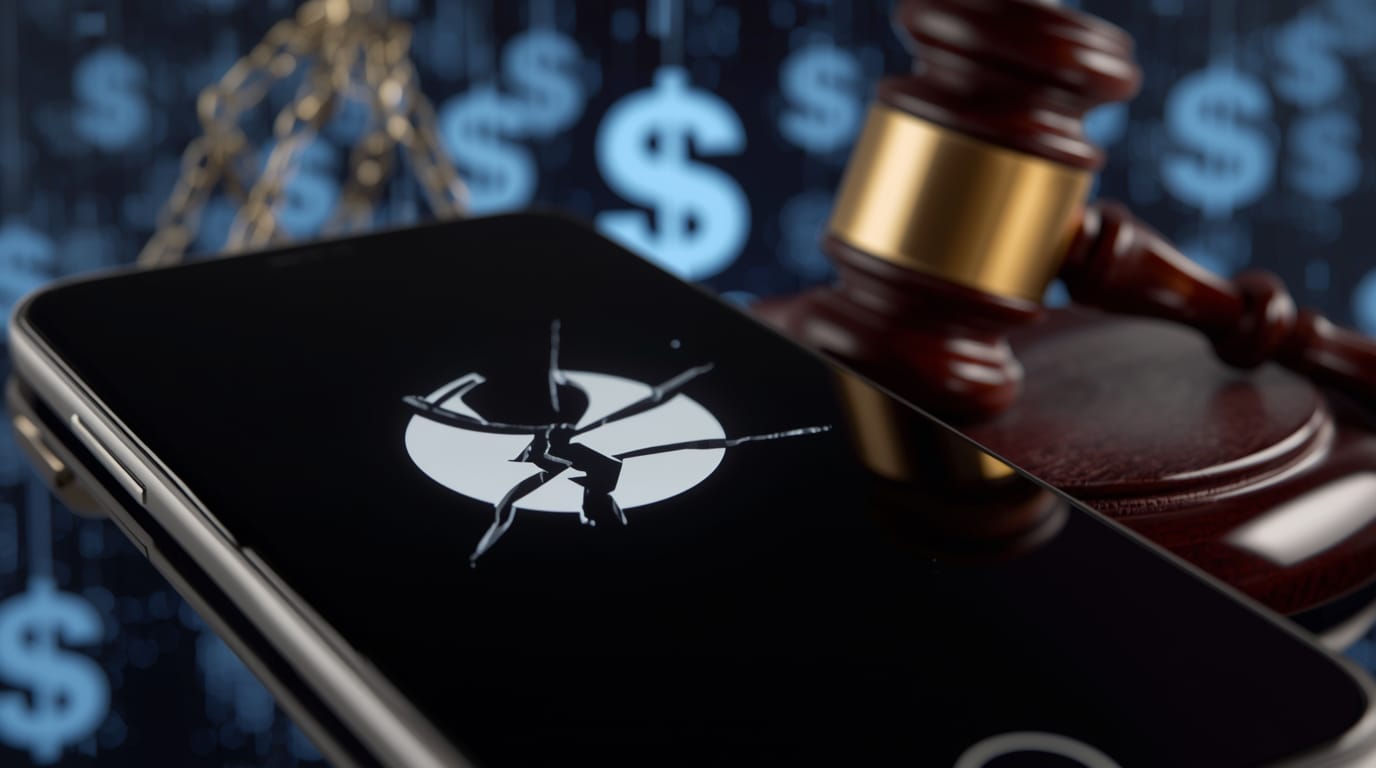
Apple has agreed to a $250 million settlement in the Siri delayed AI features lawsuit, marking a significant development in the ongoing controversy over the virtual assistant’s promised but undelivered capabilities. The lawsuit alleged Apple failed to provide AI enhancements within the timeframe it advertised to customers, affecting many users who purchased devices expecting advanced functionality.
Table of Contents
Siri delayed AI features lawsuit highlights Apple’s $250M settlement
The lawsuit, which captured public attention for highlighting disparities between consumer expectations and Apple’s deliverables, centered on claims that the company misrepresented the timeline for rolling out critical AI upgrades to Siri. The plaintiffs argued these delays compromised user experience and the competitiveness of Apple’s ecosystem. The settlement amount reflects the scale of the issue and the number of affected consumers, underscoring the legal and financial ramifications of overpromising AI advancements.
Why the Siri delayed AI features lawsuit matters for Apple users
Apple’s Siri has long been under scrutiny for lagging behind competitors such as Amazon Alexa and Google Assistant in terms of AI sophistication and responsiveness. While Apple originally pledged significant machine learning and natural language processing improvements by late 2023, these enhancements were evidently not fully implemented as scheduled. Technical experts have pointed to challenges in integrating on-device AI processing with privacy protections as contributing factors to the delay. This gap has not only frustrated users but also raised broader questions about the pace of AI integration in consumer technology.
Siri delayed AI features lawsuit sets precedent for AI accountability
According to coverage by AppleInsider, the $250 million settlement will compensate affected users, many of whom bought Apple devices based on the expectation of timely AI feature updates. This financial resolution is noteworthy because it explicitly ties compensation to consumers rather than simply serving as a corporate-facing penalty. Legal analysts suggest that the case may set a precedent for future lawsuits centered on AI and software delivery promises in the tech industry.
The terms of the settlement also include commitments from Apple to accelerate the rollout of the delayed AI features. Industry observers are now watching ahead to Apple’s upcoming developer conference, where updated AI capabilities for Siri are anticipated. This event may serve as a platform for Apple to restore consumer confidence and demonstrate tangible progress in overcoming the previous shortcomings highlighted by the lawsuit.
Beyond the immediate financial and legal outcomes, the Siri delayed AI features lawsuit sheds light on the challenges technology companies face in balancing ambitious AI development goals with practical implementation timelines. Experts note that while AI advancements hold tremendous potential, the technical complexities and ethical considerations of deploying AI assistants at scale cannot be underestimated. “This lawsuit underscores the need for transparent communication between tech companies and their users regarding AI capabilities and rollout schedules,” says a prominent AI legal expert.
Customer reactions to the lawsuit have been mixed. Some users express relief and validation through the settlement, while others remain skeptical about Apple’s readiness to deliver on its new promises. Comparisons to competitors further complicate the landscape; Amazon and Google’s AI assistants have consistently pushed forward with features such as conversational abilities and contextual understanding, raising consumer expectations for Apple’s offerings.
For a broader understanding of legal challenges in the tech industry, readers can explore related issues in consumer responses to subscription model changes as documented in the report on Bumble’s paying users decline. Such cases highlight how user trust and satisfaction can be influenced by corporate decisions beyond AI features alone.
Industry reports, including insights from Tech Funding News, emphasize that Apple’s settlement is one of the more significant among legal cases tied to AI delays, emphasizing the growing intersection of artificial intelligence innovation and regulatory scrutiny.
Furthermore, coverage by TechCrunch notes that the settlement reflects broader market dynamics where consumers increasingly hold tech giants accountable for the promises made during product launches, especially in the rapidly evolving AI segment.
Future impact of the Siri delayed AI features lawsuit on AI development
Looking ahead, the Siri delayed AI features lawsuit and its resulting settlement may catalyze shifts in how technology firms approach AI development disclosures and customer communication strategies. For Apple, the challenge is not only to compensate for past delays but also to deliver future AI enhancements reliably and transparently to maintain its competitive edge.
The debate surrounding Siri’s AI evolution continues to underline a pivotal moment in consumer technology, reflecting wider questions about how artificial intelligence will be integrated into everyday devices and the ethical imperatives of such integration. Apple’s response in the coming months will be closely watched by industry experts, consumers, and legal analysts alike, with the potential to shape AI deployment trends across the sector.

- AN AMAZING MAC AT A SURPRISING PRICE — With an incredibly portable and durable aluminum design, up to 16 hours of batter…
- FOUR STUNNING COLORS. ONE DURABLE DESIGN — Choose from four beautiful colors — Silver, Blush, Citrus, or Indigo — each w…
- FLY THROUGH EVERYDAY ASSIGNMENTS — Whether you’re cramming for finals, using Apple Intelligence* to summarize class note…