
- NEARLY 30% LEAP IN RESOLUTION — Experience every thrill in breathtaking detail with sharp graphics and stunning 4K Infin…
- NO WIRES, MORE FUN — Break free from cords. Play, explore and exercise in immersive worlds — untethered and without limi…
- 2X GRAPHICAL PROCESSING POWER — Enjoy lightning-fast load times and next-gen graphics for smooth gaming powered by the S…
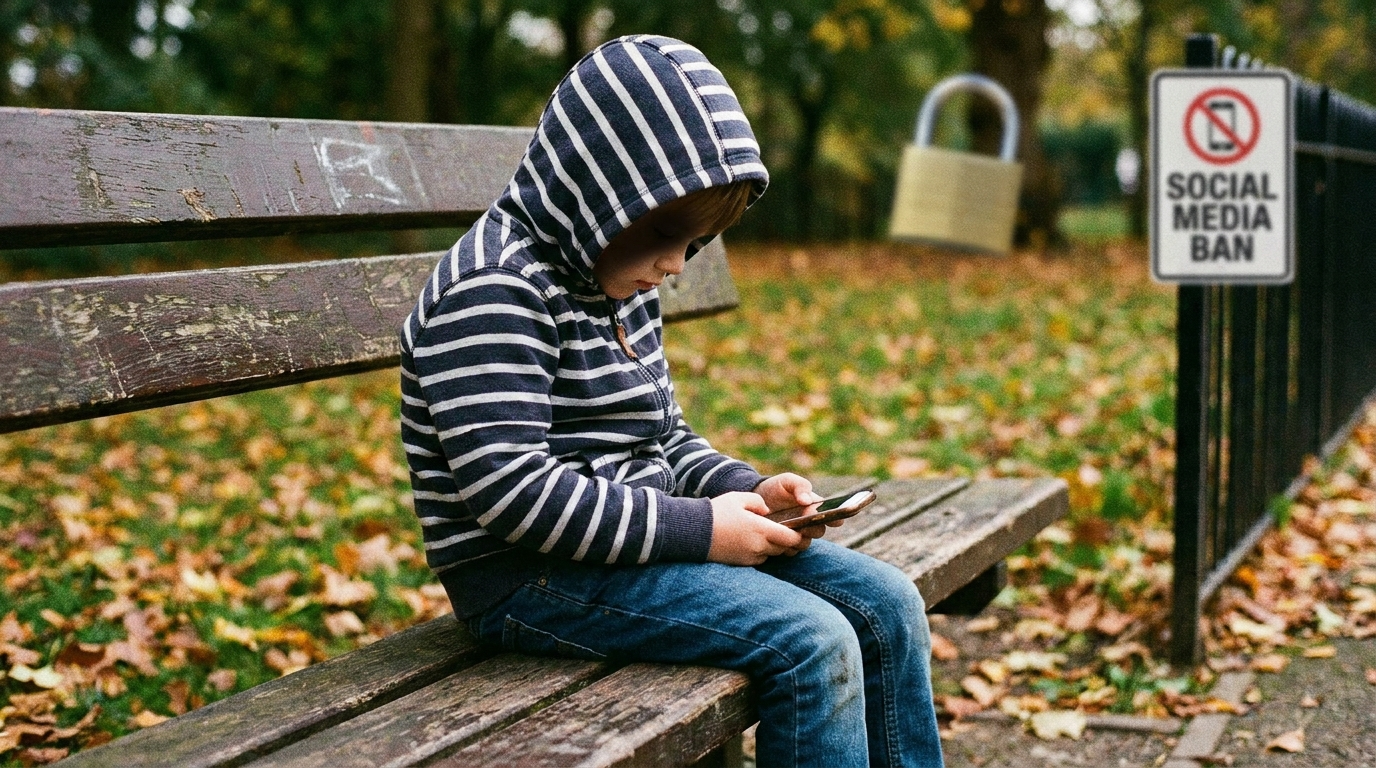
The social media ban for children is gaining momentum globally as governments escalate efforts to protect the youngest internet users from the platform’s detrimental effects. Australia’s recent decision to restrict access for users under 13 years old represents a decisive move amid rising concerns over child mental health, safety, and exploitation online. This development highlights the complex reasons driving such bans and the multifaceted challenges countries face in enforcement and legal compliance.
Table of Contents
Social Media Ban for Children: Global Trends and Reasons
Australia’s ban reflects a wider trend across nations seeking to curb the exposure of children to harmful content and addictive behaviors linked to social media platforms. Research consistently associates early and unsupervised social media use with increased risks of cyberbullying, depression, and anxiety among minors. This has prompted policymakers to evaluate age restrictions more rigorously and implement robust mechanisms to enforce them. For instance, some US states have proposed legislation mandating parental controls and stronger age verification systems. Social media age verification laws by country provide a useful perspective on how legal frameworks vary but generally strive toward the shared goal of child protection.
While bans aim to shield children from harmful digital interactions, several challenges complicate their execution. Technological hurdles in accurately verifying age without infringing on privacy can limit effectiveness. Many platforms rely on self-reported ages, which are easy to falsify. Innovative solutions, such as biometric verification or third-party validation services, stir debates over data security and user consent. Moreover, enforcing bans involves coordination between governments, tech companies, and parents, which is often inconsistent.
Countries like the United Kingdom underscore the importance of digital literacy and safe usage guidelines alongside legislative efforts. Experts there argue that educating children on responsible online behavior complements bans by fostering resilience and critical awareness. However, opposition voices raise concerns about overreach and the potential for such laws to stifle freedom and online participation. These debates emphasize the need for balanced policies that address privacy and enforceability. UK government spyware warning and privacy issues illustrates the broader surveillance and privacy anxieties that intertwine with child protection measures.
Cyberbullying remains a central justification for bans. Data from independent studies link social media overuse with higher instances of harassment, which can have long-term psychological effects. Addiction is another frequently cited factor, with children’s developing brains being more susceptible to dopamine-driven reward loops built into social media design. This has led to calls for regulations compelling platforms to redesign their engagement features to reduce dependency among young users. Social media ban for children: the global list and updates offers detailed reporting on where such policies have been enacted and their initial impacts.
Long-term social effects of social media bans remain under-researched but present important considerations. Restricting access could limit early exposure to digital communication skills and knowledge of online social norms, potentially causing unintended disadvantages. Educational institutions often step in to bridge this gap through programs that teach digital citizenship and safe platform practices.
Government roles extend beyond legislation to funding research, supporting parents, and promoting public awareness. As regulatory landscapes evolve, international cooperation becomes crucial to address challenges posed by multinational platforms and cross-border data flows. The Council of Europe’s focus on online child safety exemplifies efforts to align standards and share best practices globally.
Ultimately, the social media ban for children strikes at the heart of a global reckoning with how digital spaces shape young lives. Policymakers, educators, and parents must navigate a tightrope—balancing protective measures with educational opportunities, safeguarding privacy without relinquishing accountability, and addressing addiction risks while fostering healthy digital habits. The evolving patchwork of laws and strategies worldwide underscores the urgent need for nuanced, evidence-driven approaches that respect children’s rights and promote their well-being in increasingly connected societies.

- AN AMAZING MAC AT A SURPRISING PRICE — With an incredibly portable and durable aluminum design, up to 16 hours of batter…
- FOUR STUNNING COLORS. ONE DURABLE DESIGN — Choose from four beautiful colors — Silver, Blush, Citrus, or Indigo — each w…
- FLY THROUGH EVERYDAY ASSIGNMENTS — Whether you’re cramming for finals, using Apple Intelligence* to summarize class note…