Understanding AI Adoption Statistics in America
AI adoption statistics reveal that despite growing integration of artificial intelligence across sectors, Americans remain predominantly skeptical about these technologies. A recent survey from the 2026 Global AI Adoption Index highlights that while nearly 60% of U.S. businesses have integrated some form of AI, consumer trust lags behind adoption rates, exposing a significant gap between availability and acceptance. The index illustrates a contrasting picture: widespread deployment of AI tools such as generative AI in customer service and content generation among industries, yet only about a third of U.S. consumers report feeling comfortable relying on AI systems for important decisions. This divide points to deeper trust issues rooted in societal and regulatory concerns rather than technical readiness alone. The role of AI adoption statistics in understanding these trends is crucial.
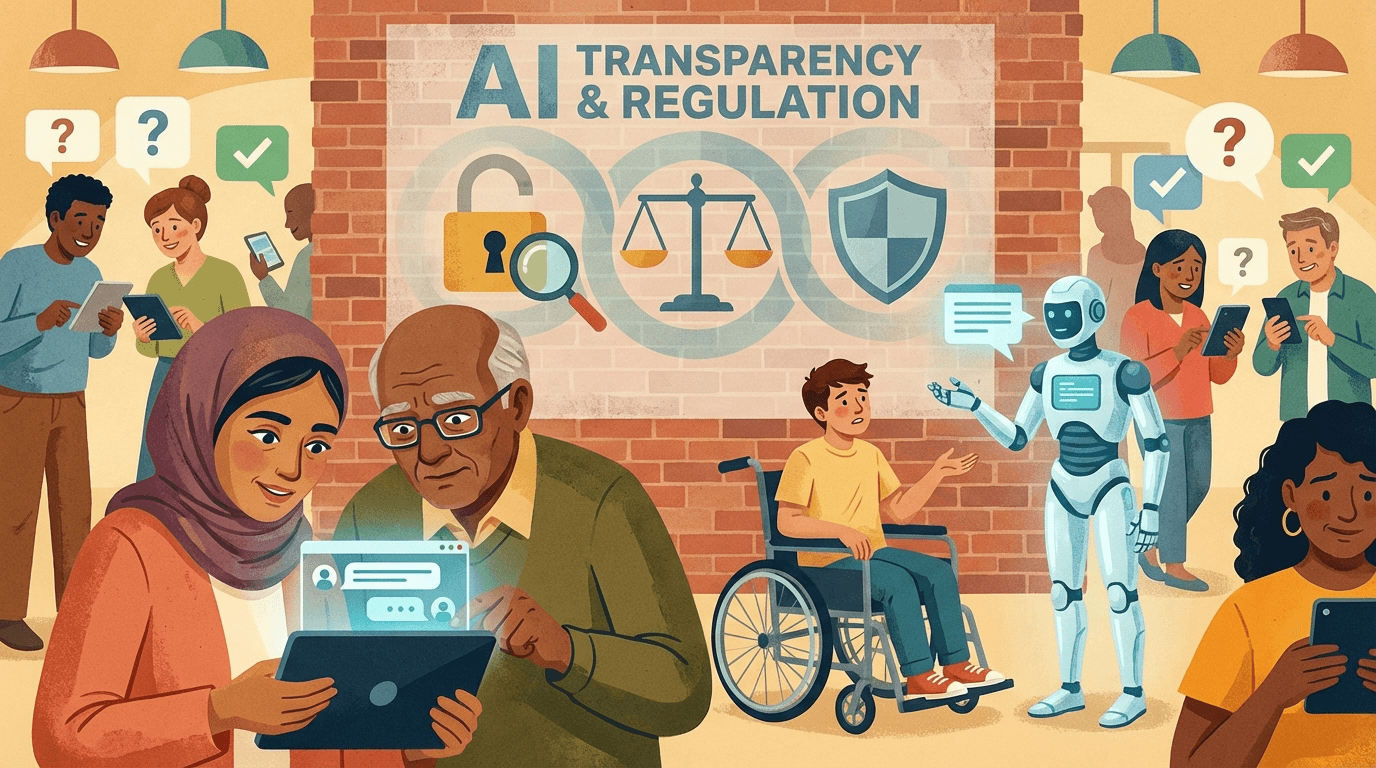
Americans’ distrust in AI is linked in part to fears about transparency, data privacy, and the potential for biased or incorrect outputs. Many users question how AI tools derive their results and whether these processes are adequately disclosed, signaling a need for clearer communication from AI providers. Practical guidance for users on how to verify AI outcomes remains scarce in public discourse. Addressing these concerns with transparent interfaces and reliability assurances could improve confidence, encouraging wider adoption beyond businesses to everyday consumers.
This evolving landscape of AI adoption statistics underscores the importance of building trust through transparency and accountability.
On the regulatory front, frameworks designed to oversee AI ethics and safety have emerged, though their reception varies. The UNESCO Recommendation on the Ethics of Artificial Intelligence sets foundational international guidelines promoting transparency and human rights. However, implementation across countries differs significantly, affecting public perception. In the United States, the White House’s national AI legislative framework aims to standardize ethical practices to protect users while fostering innovation. Despite such efforts, skepticism persists as consumers encounter inconsistencies in enforcement and clarity about AI regulations. UNESCO’s guidelines andU.S. legislative updates illustrate the uneven landscape companies and users navigate, which complicates trust-building.
In addition, comprehensive AI adoption statistics can provide insights into how different industries are perceived in terms of trustworthiness, guiding companies on how to tailor their transparency efforts.
These insights are essential as businesses navigate the landscape shaped by AI adoption statistics, balancing innovation with ethical considerations to gain consumer trust.
The impact of AI on the workforce also fuels distrust. Automation and AI-led transformations prompt concerns over job displacement and economic inequality. Workers in certain sectors fear replacement by generative AI and other automated systems, intensifying anxieties about long-term employment security. These socio-economic effects contribute to the wariness around AI adoption, beyond technical and ethical issues. Understanding the multifaceted influence of AI—from healthcare advances to travel tech innovations—helps contextualize public sentiment. For example, AI’s role in transforming patient care, offering efficiencies and improved diagnostics, contrasts with the uncertainties about AI’s wider societal role.Healthcare AI innovations demonstrate both promise and the complexity of navigating trust in high-stakes environments.
In conclusion, AI adoption statistics play a pivotal role in shaping the future of AI integration, emphasizing the need for continuous dialogue around trust and technology.
By examining the latest AI adoption statistics, stakeholders can better understand consumer concerns and adapt their approaches accordingly.
Travel technology’s latest AI-driven advancements provide another lens on adoption challenges. While consumers benefit from enhanced personalization and efficiency, worries about privacy and algorithmic transparency remain obstacles. Discussing these consumer-facing applications alongside regulatory evolution offers practical insight for readers grappling with AI integration in daily life.Travel tech innovations for 2026 showcase the practical benefits and barriers alike.
Ultimately, the analysis of AI adoption statistics serves to inform strategies that address the skepticism surrounding AI, emphasizing the need for clear communication and education.
Furthermore, recent AI adoption statistics indicate that consumer perceptions are shifting at varying rates across demographics, highlighting the importance of targeted communication strategies to enhance understanding and trust.
The disconnect between AI adoption and trust suggests that transparency alone does not guarantee acceptance. Users demand not only clear information but also actionable ways to verify AI outputs. Practical tips—such as cross-checking AI results with multiple sources, understanding an AI tool’s provenance, and seeking user-friendly explanations of AI processes—can empower consumers to engage critically and confidently.
In summary, while AI adoption statistics indicate growing deployment and potential, a persistent trust deficit slows wider societal embrace. Regulatory efforts worldwide strive to harmonize ethics and safety standards, but uneven implementation and communication gaps hinder progress. The effect of AI on the job market adds a further complexity to public attitudes, intertwining economic fears with technology skepticism. Bridging this divide will require a balanced approach emphasizing not only innovation and regulation but also consumer education and transparency to foster informed and confident AI usage.