
- NEARLY 30% LEAP IN RESOLUTION — Experience every thrill in breathtaking detail with sharp graphics and stunning 4K Infin…
- NO WIRES, MORE FUN — Break free from cords. Play, explore and exercise in immersive worlds — untethered and without limi…
- 2X GRAPHICAL PROCESSING POWER — Enjoy lightning-fast load times and next-gen graphics for smooth gaming powered by the S…
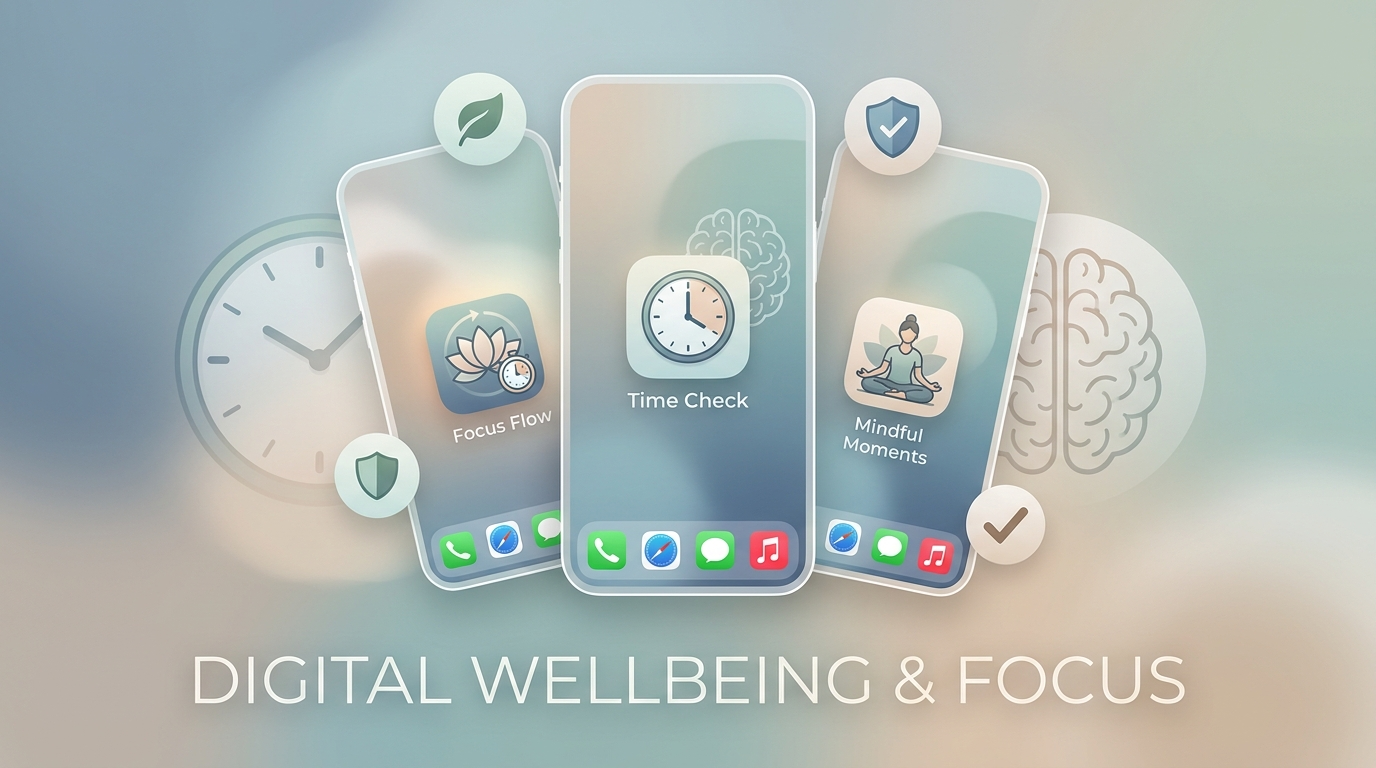
Doomscrolling—a compulsive habit of endlessly scrolling through negative news or social media—has become an epidemic affecting digital wellbeing. Addressing this, apps to stop doomscrolling have emerged as crucial tools for users aiming to regain focus and mental control. These apps are designed not just to block distractions but also to foster mindfulness and healthier screen habits.
Doomscrolling: Why It’s Harmful to Mental Health
Doomscrolling drains mental health by amplifying stress and anxiety. Recent behavioral studies demonstrate how repeated exposure to negative content triggers a feedback loop of worry, affecting sleep and productivity. With smartphones constantly at hand, combating this requires more than willpower; it demands strategic interventions supported by technology. In exploring anti-doomscrolling apps, it’s essential to understand both their psychological rationale and practical application.
Best Apps to Stop Doomscrolling
One category gaining prominence is screen time blockers. These apps enable users to limit or schedule access to social media and news outlets. For instance, Freedom allows personalized blocking of distracting websites and apps, offering a digital detox experience based on behavioral triggers rather than arbitrary limits. This aligns with insights shared in tech coverage about apps that interrupt the endless scroll cycle by merging user autonomy with scientific timing methods.TechCrunch’s March 2026 analysis highlights solutions that do not simply block content but replace it with purposeful distractions to reinforce positive habits.
Another innovative approach is mindfulness and meditation apps integrated as apps to replace doomscrolling. Forest, a gamified focus app, motivates users to plant virtual trees that grow while avoiding phone usage. This reinforcement taps into behavioral incentives, replacing negative scrolling with rewarding breaks. Users report improved attention spans and a feeling of accomplishment, supporting the app’s psychological foundation in positive interruption techniques. Meanwhile, apps like Headspace offer guided meditations aimed at reducing anxiety, targeting the underlying triggers for doomscrolling.
Combining mental health tools with productivity apps enriches user experience. This synergy, often overlooked, helps sustain long-term success in curbing doomscrolling behaviors. For example, integrating timer-based work sessions with scheduled mindfulness activities can alleviate the urge to scroll compulsively. Such holistic strategies align with findings from digital wellbeing research on limiting screen-induced stress.
Understanding the behavioral science behind doomscrolling further clarifies why these apps resonate with users. Doomscrolling engages the brain’s reward and fear centers by feeding on negative stimuli while providing momentary distraction. Effective anti-doomscrolling apps disrupt this loop by introducing conscious pauses and alternative actions. Experts advocate for combining technological tools with lifestyle changes such as regular exercise and social interaction to reinforce mental health gains.
For users seeking tailored interventions, a variety of apps cater to different needs. Lists such as those provided by Tech.co and MakeHeadway outline apps that uniquely address doomscrolling challenges through features like customizable alerts, focus timers, and mood tracking.Tech.co’s review offers up-to-date rankings emphasizing effectiveness and user experience, while MakeHeadway’s blog adds insight into user success stories and practical tips for integrating these tools into daily routines.
Beyond app functionality, incorporating wellness practices such as meditation and physical activity reinforces app benefits, creating a virtuous cycle of improved focus and reduced anxiety. These app solutions do not merely act as digital fences but serve as gateways to deeper behavioral change and self-awareness. For instance, pairing an anti-doomscrolling app with a meditation timer or a journaling app boosts mindfulness and accountability.
It is also valuable to consider community dynamics in overcoming doomscrolling. Digital wellbeing communities, like those discussed in the context of community shutdown reasons, provide social support that supplements app use by fostering shared goals and reducing isolation.TechRyza’s analysis illustrates the importance of collective engagement for sustained digital behavior change.
In sum, apps to stop doomscrolling function best when integrated into a comprehensive mental health and productivity strategy that respects behavioral triggers and fosters positive distractions. They represent a growing trend in digital wellness technology, emphasizing interruption over elimination. For users struggling to regain control, these tools, combined with mindful practices and community support, offer a pragmatic path toward enhanced focus and emotional balance.

- AN AMAZING MAC AT A SURPRISING PRICE — With an incredibly portable and durable aluminum design, up to 16 hours of batter…
- FOUR STUNNING COLORS. ONE DURABLE DESIGN — Choose from four beautiful colors — Silver, Blush, Citrus, or Indigo — each w…
- FLY THROUGH EVERYDAY ASSIGNMENTS — Whether you’re cramming for finals, using Apple Intelligence* to summarize class note…