
- NEARLY 30% LEAP IN RESOLUTION — Experience every thrill in breathtaking detail with sharp graphics and stunning 4K Infin…
- NO WIRES, MORE FUN — Break free from cords. Play, explore and exercise in immersive worlds — untethered and without limi…
- 2X GRAPHICAL PROCESSING POWER — Enjoy lightning-fast load times and next-gen graphics for smooth gaming powered by the S…
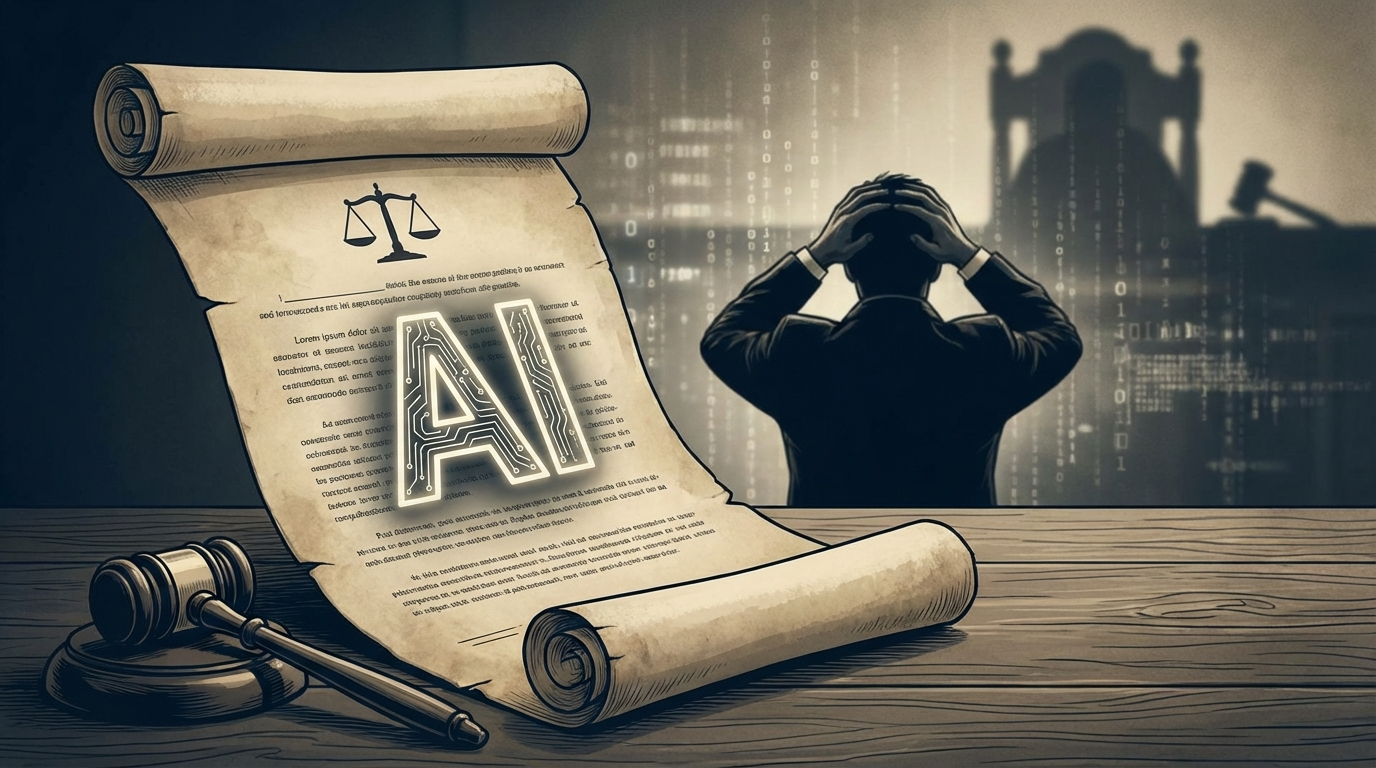
The OpenAI lawsuit has thrown a harsh spotlight on the complex and evolving risks associated with artificial intelligence, particularly in relation to ChatGPT. This high-profile legal battle illustrates how misuse of AI technology can lead to serious safety and ethical concerns, highlighting gaps in AI governance and the urgent need for robust safeguards.
OpenAI Lawsuit: Key Risks and Legal Challenges Explained
At the heart of the OpenAI lawsuit are allegations that misuse of ChatGPT has enabled stalking behaviors, copyright infringement, and unauthorized practice of law. These accusations are more than isolated incidents; they underscore systemic challenges in managing AI’s expansive capabilities and the consequences when safety protocols fail. As one example, ChatGPT’s ability to generate human-like text can be exploited to produce misleading or harmful content, raising significant AI safety risks that extend beyond mere technical malfunctions to real-world harms.
The legal context surrounding this lawsuit is layered with questions about intellectual property rights, privacy, and liability. Experts point out that AI technologies such as ChatGPT operate in a regulatory gray zone where existing laws struggle to keep pace with innovation. This difficulty complicates efforts to hold parties accountable for misuse. The ongoing legal scrutiny, detailed in a Business Insider overview of OpenAI lawsuits, frames the challenges OpenAI faces as emblematic of broader industry-wide struggles with AI ethics and compliance.
A major concern exposed by the lawsuit is the risk of alignment failure — when AI systems deviate from intended ethical guidelines or safety norms. AI safety researchers warn that without comprehensive protocols, such failures could lead to unpredictable and harmful outcomes. OpenAI’s efforts to mitigate these risks include enhancing transparency measures, improving model training datasets to reduce bias, and incorporating user feedback to identify problematic behaviors.
Beyond technical fixes, the lawsuit spotlights the critical role of user education and mental health considerations in AI interaction. Misuse of AI for stalking or psychological manipulation, for example, raises pressing ethical dilemmas that demand preventive frameworks and support systems for affected individuals. Integrating mental health safeguards within AI platforms could help mitigate these emerging threats.
The ethical dimensions of this case reverberate through the AI community, drawing on principles outlined in resources such as IBM’s comprehensive AI ethics framework. These principles advocate for responsible AI development that prioritizes human rights and safety, emphasizing ongoing accountability amid rapid technological changes.
To grasp the depth of the legal and social implications, it’s instructive to consider AI’s growing infiltration into sensitive fields like legal practice. ChatGPT legal issues include unauthorized dispensing of legal advice, which courts and regulatory bodies are scrutinizing more intensively. According to a Purdue Global Law School analysis, such misuse not only poses risks to consumers but also challenges professional ethics and regulatory frameworks.
For those involved or interested in AI service subscriptions, related considerations about safety and compliance can be explored further, as discussed in the detailed coverage of subscription plans in ChatGPT Pro 100 Plan. This illustrates the intersection of user access levels, feature availability, and risk exposure.
The OpenAI lawsuit also highlights the growing importance of regulatory frameworks that can adapt to rapidly evolving AI technologies. Governments and policymakers are increasingly under pressure to establish clear guidelines that define accountability, usage limits, and ethical boundaries for AI systems. Strengthening these frameworks will be essential to ensure innovation continues without compromising user safety or legal integrity.
Ultimately, the OpenAI lawsuit serves as a cautionary tale of how rapid AI advancements, if not carefully managed, can unleash unintended consequences. The unfolding case will likely shape future AI regulatory standards and industry practices, reinforcing the imperative for transparent, ethical AI development coupled with education and legal safeguards. As AI technology integrates more deeply into societal infrastructure, balancing innovation with responsibility remains a critical challenge.

- AN AMAZING MAC AT A SURPRISING PRICE — With an incredibly portable and durable aluminum design, up to 16 hours of batter…
- FOUR STUNNING COLORS. ONE DURABLE DESIGN — Choose from four beautiful colors — Silver, Blush, Citrus, or Indigo — each w…
- FLY THROUGH EVERYDAY ASSIGNMENTS — Whether you’re cramming for finals, using Apple Intelligence* to summarize class note…