
- NEARLY 30% LEAP IN RESOLUTION — Experience every thrill in breathtaking detail with sharp graphics and stunning 4K Infin…
- NO WIRES, MORE FUN — Break free from cords. Play, explore and exercise in immersive worlds — untethered and without limi…
- 2X GRAPHICAL PROCESSING POWER — Enjoy lightning-fast load times and next-gen graphics for smooth gaming powered by the S…
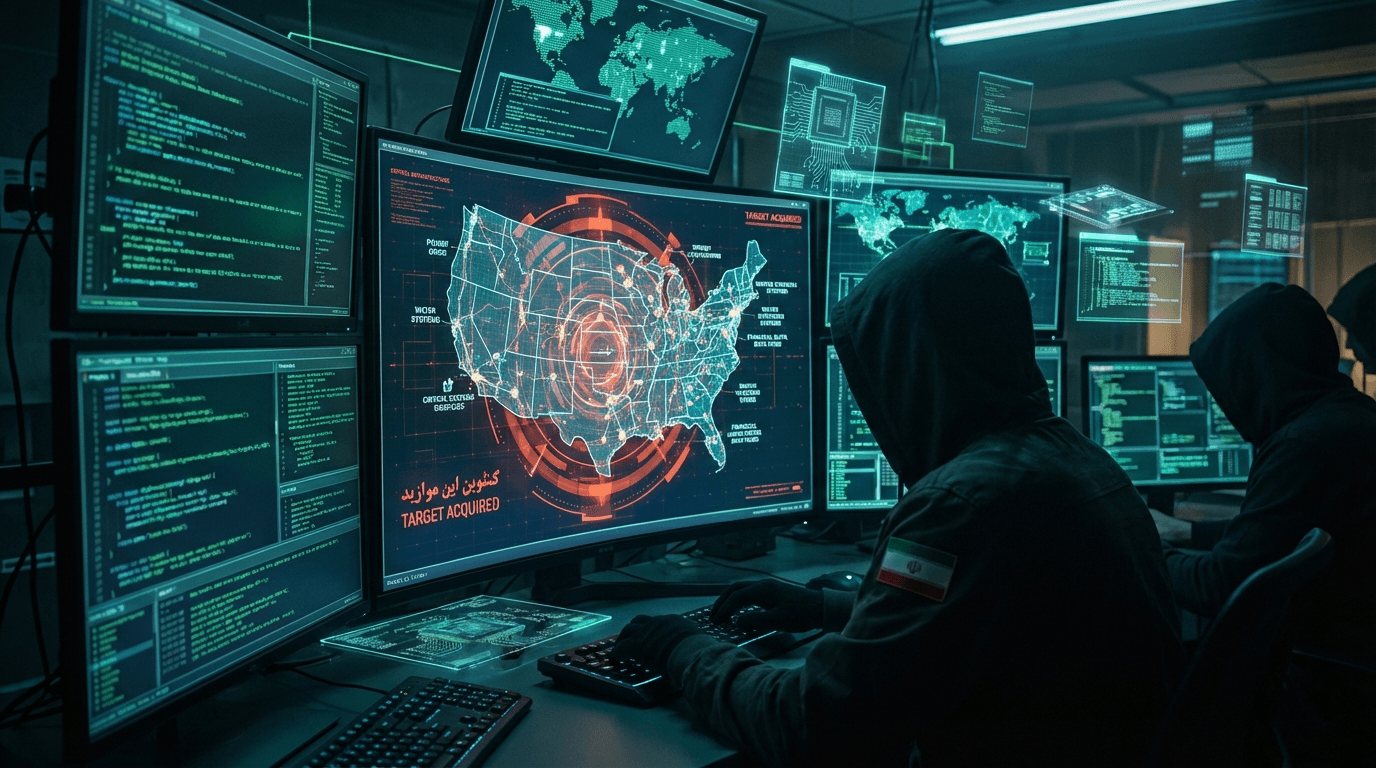
Iranian hackers targeting US critical infrastructure represent a growing threat amid escalating geopolitical tensions in 2026. These cyberattacks have increasingly focused on vital sectors such as energy, water, and healthcare, raising alarms across federal agencies and private industry.
The nature of these attacks involves sophisticated techniques, including ransomware deployment, programmable logic controller (PLC) exploits, and SCADA (Supervisory Control and Data Acquisition) cyberattacks. These methods allow threat actors to manipulate industrial control systems that manage essential utilities, potentially causing widespread disruption. Notably, vulnerabilities in platforms like Rockwell Automation have emerged as key exploitation points used by Iranian hacker groups. Such platforms are integral to many operational technology (OT) environments within US infrastructure.
Iranian Hackers Targeting US Critical Infrastructure: Key Threats Explained
Iranian cyber operations are believed to be driven by multiple motivations, including political leverage, coercion, and retaliation. The involvement of state-affiliated groups suggests orchestrated campaigns aiming to pressure US decision-makers by threatening infrastructure reliability. These actors demonstrate a well-resourced and methodical approach, allowing them to bypass conventional security measures to infiltrate critical systems with increasing frequency.
The sectors under assault reflect strategic importance. Energy grids face attacks that aim to disrupt electricity distribution, while water treatment plants have been targets of concern due to potential contamination risks. The healthcare sector, crucial amid ongoing public health challenges, is also at risk. The FBI and Department of Homeland Security have issued numerous advisories highlighting Iranian cyber actors’ attempts to exploit system vulnerabilities and recommending vigilance.
US agencies have responded with a combination of intelligence sharing, enhanced monitoring of threats, and public warnings. This multi-pronged strategy includes working with private sector partners to strengthen defenses, update vulnerable control systems, and improve incident response mechanisms. According to recent government statements, close collaboration between the Cybersecurity and Infrastructure Security Agency (CISA) and the Federal Bureau of Investigation is key to mitigating these threats.
A critical aspect of the defense strategy is awareness and preparedness. Organizations managing critical infrastructure are urged to adopt best cybersecurity practices such as regular patching of PLCs and OT equipment, implementing network segmentation, and conducting rigorous penetration testing. Investment in advanced threat detection tools that can identify abnormal behaviors within SCADA systems is also gaining traction.
The growing threat landscape is underscored by recent alerts from the healthcare sector, including warnings from the American Hospital Association regarding Iranian cyber actors’ potentially malicious activities targeting hospital systems. These warnings stress the need for heightened cybersecurity protocols and improved incident reporting to prevent data breaches and operational disruptions.
For businesses and infrastructure operators interested in staying ahead of these threats, understanding the investment trends in AI and machine learning for cybersecurity can provide a competitive edge. Advanced analytics enable early detection of complex attack patterns unique to state-sponsored groups. Resources discussing AI-powered security solutions offer insight into how emerging technologies can contribute to safer operational environments.
These developments underscore the importance of continuous adaptation and vigilance. Iranian hackers’ capabilities reflect a broader shift toward more nuanced and damaging cyber operations against US critical infrastructure. The federal response highlights the necessity for integrated defense frameworks combining government oversight, private sector participation, and cutting-edge technology.
Readers seeking broader context on AI’s role in strengthening cybersecurity defenses can find relevant analysis at AI private markets investment trends in cybersecurity. For detailed accounts of the threat, Officials detail Iran cyber attacks targeting U.S. infrastructure offers comprehensive insights. Additionally, US warns of Iranian hackers targeting critical infrastructure provides up-to-date warnings and defensive recommendations. Hospitals and healthcare providers should also consult FBI reminders on Iranian cyber activity in healthcare to better prepare their systems.
As these cyber challenges evolve, the imperative for robust cybersecurity controls and informed governmental policies grows stronger. Understanding hacker motivations, attack vectors, and effective countermeasures is essential for safeguarding the nation’s critical infrastructure in a complex, high-stakes environment.

- AN AMAZING MAC AT A SURPRISING PRICE — With an incredibly portable and durable aluminum design, up to 16 hours of batter…
- FOUR STUNNING COLORS. ONE DURABLE DESIGN — Choose from four beautiful colors — Silver, Blush, Citrus, or Indigo — each w…
- FLY THROUGH EVERYDAY ASSIGNMENTS — Whether you’re cramming for finals, using Apple Intelligence* to summarize class note…