
- NEARLY 30% LEAP IN RESOLUTION — Experience every thrill in breathtaking detail with sharp graphics and stunning 4K Infin…
- NO WIRES, MORE FUN — Break free from cords. Play, explore and exercise in immersive worlds — untethered and without limi…
- 2X GRAPHICAL PROCESSING POWER — Enjoy lightning-fast load times and next-gen graphics for smooth gaming powered by the S…
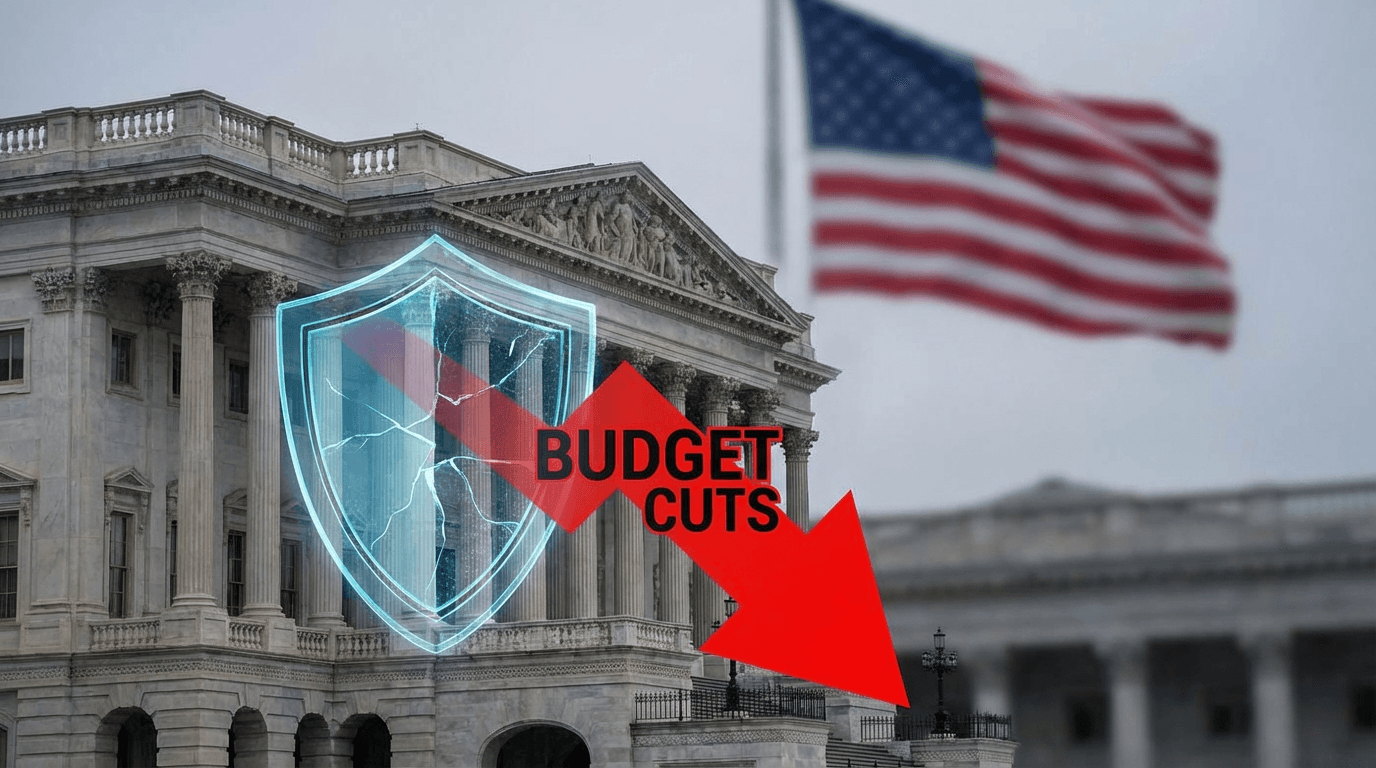
The Trump administration’s 2027 budget proposal includes a bold yet controversial $707 million cut to the Cybersecurity and Infrastructure Security Agency (CISA), fundamentally reshaping the agency’s mission away from election security and misinformation countermeasures. This Trump CISA budget cut marks a significant shift in federal cybersecurity priorities, sparking debate over the future safeguards of U.S. elections and the broader political implications of restructured government funding.
Originally established to defend critical infrastructure and electoral processes, CISA has become a central defender against election misinformation and cyber threats targeting democratic systems. The budget proposal outlined in 2026 would slash funding specifically for programs dedicated to election security, including the elimination of the Election Infrastructure–Information Sharing and Analysis Center (EI-ISAC). This move effectively dismantles a critical mechanism for disseminating threat intelligence to state and local election officials, raising concerns about the resilience of election defense strategies.
Trump administration officials justify the Trump CISA budget cut by highlighting government claims that past efforts to counter election misinformation have been exaggerated or ineffective. They argue that CISA’s previous focus on misinformation campaigns created unnecessary political tension and that its core mission should return to traditional cybersecurity for critical infrastructure. However, critics see this rationale as politically motivated, potentially undermining protections against election-related cyber threats at a time when such risks remain significant.
The proposed budget reflects a shift in priorities that reduces funding for programs integral to monitoring and addressing disinformation during election cycles. With the elimination of misinformation response teams, many cybersecurity experts warn that the gap created could allow more intrusive cyber operations and false information campaigns to flourish unchecked. This is especially salient given recent elections that have shown the evolving sophistication of digital disinformation tactics aimed at swaying public opinion or disrupting voter confidence.
Historically, CISA’s role in election security has been lauded for enhancing collaboration among federal, state, and local governments. According to reports from the Brennan Center for Justice, federal involvement in election security through agencies like CISA has contributed to a tighter security posture amidst rising cybersecurity threats targeting election infrastructure. The Trump CISA budget cut risks reversing years of progress, making it more challenging for jurisdictions to access timely threat intelligence and coordinated protection efforts.
Understanding the Impacts of the Trump CISA Budget Cut
The political fallout from this funding reduction has already stirred bipartisan debate. While some conservatives support the budget cut as a measure to reduce what they consider federal overreach and politically charged misinformation campaigns, many Democrats and election security advocates oppose the move. They warn that weakening CISA’s election-related activities could lead to increased vulnerability to external interference, especially in an environment where cyber threats are continuously evolving.
Furthermore, the budget reallocation plans include a potential increase in funding toward other cybersecurity initiatives, such as strengthening critical infrastructure defenses unrelated to elections. This nuanced shift signals a refocus rather than an outright defunding of cybersecurity efforts but leaves unresolved questions about how election-related threats will be managed moving forward.
The broader ramifications extend beyond federal budget sheets. State and local governments, which often rely heavily on federal aid for cybersecurity enhancements, may face gaps in funding and coordination, impacting the integrity of local election processes. Experts at Governing highlight concerns that these jurisdictions might have to seek alternative funding or scale back cybersecurity measures, which could introduce disparities in election security standards across the country.
In response to critics and analysts, the federal government asserts that the restructuring aims to optimize resources and reduce duplication of efforts across agencies. Still, watchdogs caution that the timeline for implementing these changes may leave critical vulnerabilities exposed in the near term, calling for robust oversight and contingency planning.
Additional context on these developments and their implications for the AI-driven private markets can be found in coverage of broader investment trends in technology sectors adapting to evolving cybersecurity landscapes, as detailed in a recent TechRyza article. This perspective helps frame how policy shifts at the federal level interact with private sector innovations and investments in cybersecurity.
As the debate over the Trump CISA budget cut continues, its real-world impact on safeguarding election integrity amid a complex cyber threat environment remains to be fully understood. The decision encapsulates a broader tension between fiscal conservatism and the pressing need to protect democratic processes against increasingly sophisticated digital threats. How the policy evolves will likely influence not only future election cycles but also the general posture of U.S. cybersecurity in critical democratic functions.
For a detailed evaluation of how federal decisions like the Trump CISA budget cut undermine election security at a systemic level, the Brennan Center offers comprehensive research on this topic. Meanwhile, coverage by Nextgov provides timely reporting on the fiscal and policy nuances of the FY27 budget proposal and its anticipated effects on cybersecurity programs, including election security specifically.
This budget reorientation must be watched closely, as its consequences will ripple through cybersecurity strategies and election security frameworks nationwide. The interplay of federal funding, state and local government capacities, and evolving cyber threats underscores the complexity of securing elections today.
Further information on federal support trends for state and local cybersecurity funding complements this discussion and sheds light on potential compensatory mechanisms outside direct CISA allocations, as explored by Governing. Understanding these dynamics is essential for grasping the full spectrum of election security challenges and responses in the current political climate.

- AN AMAZING MAC AT A SURPRISING PRICE — With an incredibly portable and durable aluminum design, up to 16 hours of batter…
- FOUR STUNNING COLORS. ONE DURABLE DESIGN — Choose from four beautiful colors — Silver, Blush, Citrus, or Indigo — each w…
- FLY THROUGH EVERYDAY ASSIGNMENTS — Whether you’re cramming for finals, using Apple Intelligence* to summarize class note…